

When summer heat intensifies across the Bay Area, a reliable air conditioning system transforms from luxury to necessity. Whether you’re replacing an aging unit or installing AC for the first time, understanding the air conditioning installation process helps you make informed decisions that impact your comfort and budget for years to come.
At Climate Pro’s Heating and Cooling, we’ve helped hundreds of Bay Area homeowners navigate AC installation decisions. This comprehensive guide covers everything from system selection to maintenance, ensuring your investment delivers maximum value and comfort.
Understanding When You Need Air Conditioning Installation
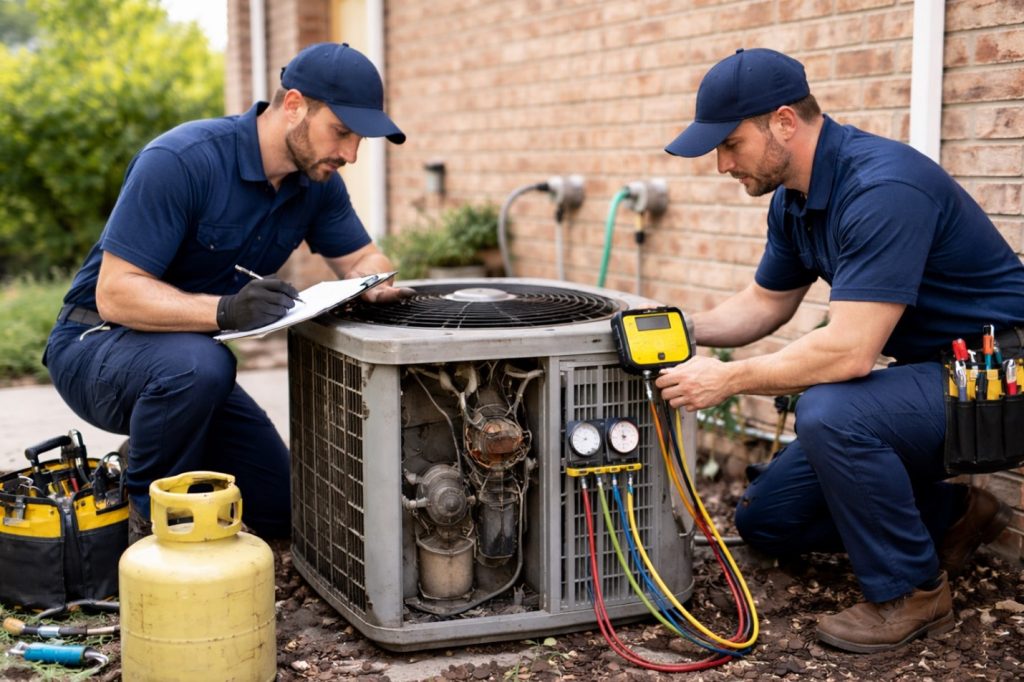
Not every cooling problem requires complete system replacement. Knowing the difference between repair and replacement saves both time and money. Consider air conditioning installation when:
- Your current system exceeds 10-12 years old with declining efficiency
- Repair costs approach 50% of new system investment
- Monthly energy bills increase significantly despite consistent usage
- Your home experiences uneven cooling across different rooms
- Refrigerant type (R-22) faces phase-out and increasing costs
- You’re adding square footage requiring additional cooling capacity
Before committing to installation, professional evaluation helps determine whether air conditioner repair services might extend your current system’s lifespan. Sometimes targeted repairs deliver several more years of reliable service at fraction of replacement cost.
Types of Air Conditioning Systems for Bay Area Homes
| System Type | Best For | Efficiency Range | Installation Complexity |
| Central AC | Whole-home cooling with existing ductwork | 14-25 SEER | Moderate |
| Ductless Mini-Split | Homes without ducts, room additions | 16-30 SEER | Low |
| Heat Pump | Year-round heating and cooling | 14-20 SEER/HSPF | Moderate |
| Packaged Unit | Limited indoor space, commercial applications | 13-18 SEER | Low-Moderate |
Each system type offers distinct advantages depending on your home’s architecture, existing infrastructure, and cooling requirements. Pro air conditioning specialists evaluate multiple factors including square footage, insulation quality, window orientation, and local climate patterns when recommending optimal solutions.
The Air Conditioning Installation Process: What to Expect
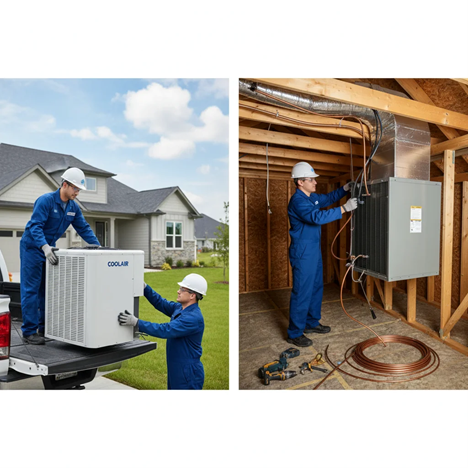
Professional air conditioning installation follows systematic steps ensuring optimal performance and longevity:
Pre-Installation Assessment (1-2 hours)
- Load calculation determining required cooling capacity
- Ductwork inspection identifying needed repairs or modifications
- Electrical system evaluation ensuring adequate power supply
- Placement planning for indoor and outdoor units
- Permit acquisition for code compliance
Installation Day (4-8 hours)
- Removal and proper disposal of existing equipment
- Installation of new indoor air handler or furnace
- Outdoor condenser unit placement and connection
- Refrigerant line installation with proper insulation
- Electrical connections and thermostat integration
- System testing and airflow balancing
Post-Installation Verification
- Complete system performance testing
- Thermostat programming and user training
- Warranty registration and documentation
- Maintenance schedule establishment
Working with experienced HVAC services ensures every step receives proper attention, preventing common installation errors that compromise efficiency and longevity.
Maximizing Efficiency Through Air Duct Inspection and Cleaning
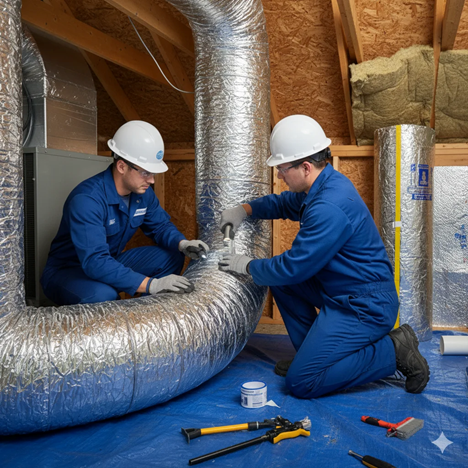
Many homeowners overlook ductwork condition when planning air conditioning installation, yet distribution system quality directly impacts cooling performance and energy consumption. Even the most efficient AC unit underperforms when connected to compromised ductwork.
Professional air duct inspection reveals:
- Leak locations where cool air escapes into unconditioned spaces
- Inadequate insulation causing temperature loss during distribution
- Size mismatches restricting airflow and reducing efficiency
- Debris accumulation affecting indoor air quality
- Structural damage requiring repair before new system installation
According to the U.S. Department of Energy, sealing and insulating ducts can improve HVAC efficiency by up to 20%, directly reducing monthly cooling costs. Combining new AC installation with air duct cleaning services ensures optimal system performance from day one.
The Environmental Protection Agency recommends duct cleaning when visible mold growth appears, ducts become infested with vermin, or substantial dust and debris clog airways. Starting your new air conditioning system with clean, sealed ductwork maximizes efficiency and extends equipment lifespan.
Selecting the Right AC System Size and Efficiency Rating
Bigger doesn’t always mean better when selecting air conditioning capacity. Oversized systems cycle on and off frequently, failing to remove humidity effectively while wasting energy. Undersized units run continuously without achieving comfortable temperatures.
Professional load calculations consider:
- Total square footage and ceiling heights throughout your home
- Insulation quality in walls, attics, and crawl spaces
- Window characteristics including size, orientation, and glazing type
- Occupancy patterns affecting heat generation
- Local climate data including temperature extremes and humidity levels
- Heat-generating appliances contributing to cooling loads
Seasonal Energy Efficiency Ratio (SEER) ratings indicate cooling efficiency, with higher numbers representing superior performance:
- Minimum efficiency: 14 SEER (current federal standard)
- Good efficiency: 16-18 SEER (recommended for most homes)
- High efficiency: 20+ SEER (premium systems with higher upfront costs)
Understanding why choosing HVAC experts matters becomes clear when considering these technical decisions. Proper system sizing and selection requires experience, specialized tools, and detailed knowledge of equipment capabilities.
Ongoing Maintenance Protects Your Investment
Air conditioning installation represents significant investment deserving proper care. Establishing comprehensive maintenance routines from the beginning prevents premature failure and maintains peak efficiency:
Homeowner Responsibilities:
- Replace or clean filters monthly during cooling season
- Keep outdoor unit clear of debris, vegetation, and obstructions
- Ensure vents and registers remain unblocked throughout home
- Monitor thermostat settings and unusual sounds or odors
- Schedule professional maintenance before each cooling season
Professional Maintenance Tasks:
- Refrigerant level verification and leak detection
- Electrical connection inspection and tightening
- Condensate drain cleaning preventing water damage
- Coil cleaning for optimal heat transfer
- Blower motor lubrication and belt inspection
- Thermostat calibration ensuring accurate temperature control
Our comprehensive heating and cooling services include maintenance programs protecting your investment while maximizing system longevity. Regular professional attention typically extends AC lifespan 5-7 years beyond neglected systems.
Cost Considerations and Financing Options
Air conditioning installation costs vary significantly based on system type, capacity, efficiency rating, and installation complexity. Bay Area homeowners typically invest between $3,500 and $12,000 for complete system replacement.
Factors Affecting Installation Cost:
- Equipment efficiency rating and brand selection
- Ductwork modifications or complete replacement
- Electrical upgrades supporting new equipment
- Permit fees and code compliance requirements
- Seasonal demand and contractor availability
- Warranty coverage and service agreements
While upfront costs seem substantial, high-efficiency systems deliver long-term savings through reduced energy consumption. Additionally, federal tax credits and utility rebates offset initial investment for qualifying high-efficiency equipment.
Climate Pro’s experienced team provides detailed cost estimates explaining all factors affecting your specific installation. We help clients understand total ownership costs rather than focusing solely on equipment price.
Frequently Asked Questions About Air Conditioning Installation
How long does professional air conditioning installation typically take?
Complete air conditioning installation typically requires 4-8 hours for straightforward replacements using existing ductwork and electrical infrastructure. More complex installations involving ductwork modifications, electrical upgrades, or challenging unit placement may extend to 2-3 days depending on scope and permitting requirements.
Can I install air conditioning myself to save money?
DIY air conditioning installation isn’t recommended and often violates local building codes, manufacturer warranties, and EPA refrigerant handling regulations. Professional installation ensures proper sizing, correct refrigerant charging, code compliance, warranty validity, and optimal system performance that DIY attempts rarely achieve.
What SEER rating should I choose for my new AC system?
Choose 16-18 SEER for optimal balance between upfront cost and long-term efficiency in most Bay Area homes. Higher SEER ratings (20+) benefit extremely hot climates or homes with high cooling demands, while minimum 14 SEER systems suit mild climates with occasional cooling needs and budget constraints.
How often should I schedule maintenance after AC installation?
Schedule professional air conditioning maintenance annually before cooling season begins, typically in spring. High-use systems or homes with pets, significant dust, or air quality concerns may benefit from bi-annual service. Monthly filter changes and basic homeowner maintenance complement professional service visits.
Will new air conditioning installation improve my indoor air quality?
Modern air conditioning systems significantly improve indoor air quality through advanced filtration, humidity control, and consistent air circulation. Combining new AC installation with air duct cleaning services, proper ventilation, and high-efficiency filters addresses particulates, allergens, and contaminants creating healthier indoor environments.
Ready to upgrade your home comfort with professional air conditioning installation? Contact Climate Pro’s Heating and Cooling today for a comprehensive system evaluation and detailed installation proposal. Our certified technicians deliver the quality workmanship and reliable service Bay Area homeowners trust for superior cooling performance and energy efficiency.