
Rising energy costs and environmental concerns have Bay Area homeowners searching for smarter climate control solutions. Energy-efficient HVAC systems offer the perfect answer—reducing utility bills while maintaining superior comfort throughout your home.
Whether you’re in San Jose’s bustling neighborhoods or the quiet streets of San Juan Bautista, upgrading to an energy-efficient system can transform your home’s performance and significantly lower your monthly expenses.
Understanding Energy-Efficient HVAC Systems
Energy-efficient HVAC systems use advanced technology to deliver maximum comfort with minimum energy consumption. Unlike older models that waste power through inefficient operation, modern systems optimize every aspect of heating and cooling.
What Makes HVAC Systems Energy-Efficient?
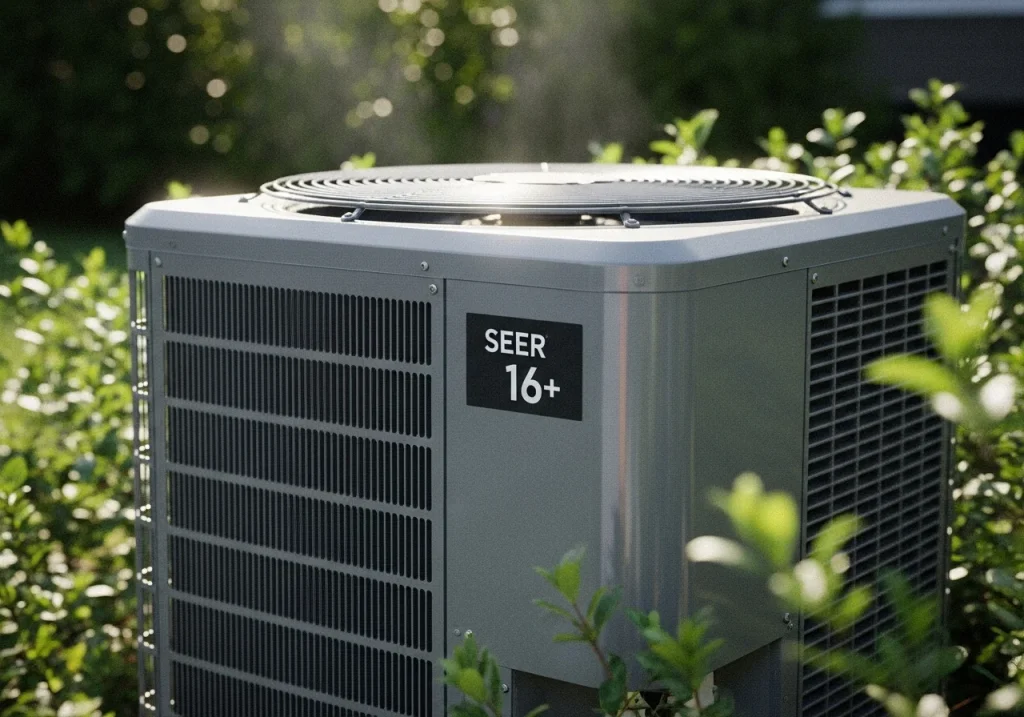
High SEER Ratings:
Seasonal Energy Efficiency Ratio (SEER) measures cooling efficiency. Modern energy-efficient systems boast SEER ratings of 16 or higher, compared to older units at 10-13 SEER.
Variable-Speed Technology:
Instead of constantly running at full capacity, these systems adjust output to match your exact needs, reducing energy waste.
Smart Controls:
Advanced thermostats learn your schedule and preferences, optimizing operation without manual adjustment.
Improved Compressors:
Modern compressors run more efficiently, extracting maximum performance from every watt of electricity.
Enhanced Insulation:
Better-insulated components reduce heat transfer and maintain system efficiency.
The Financial Benefits of Upgrading to Energy-Efficient HVAC Systems
Immediate Savings on Energy Bills
Homeowners across Cupertino, Los Altos, and Los Gatos report dramatic reductions in utility costs after upgrading to energy-efficient HVAC systems. Typical savings include:
- 20-40% reduction in heating and cooling costs
- $500-$1,500 annual savings depending on home size and usage
- Lower peak demand charges during hot summer months
Long-Term Return on Investment
While energy-efficient HVAC systems cost more upfront, they pay for themselves through:
- Reduced monthly utility bills
- Fewer repair costs due to advanced engineering
- Extended system lifespan
- Increased home resale value
- Available rebates and tax incentives
Many Bay Area homeowners in Santa Clara and Sunnyvale recover their investment within 5-7 years through energy savings alone.
Available Rebates and Incentives
California offers generous incentives for energy-efficient upgrades:
- Federal tax credits up to $2,000 for qualifying systems
- Local utility rebates from PG&E and other providers
- California Energy Commission programs for homeowners
- Special financing options through manufacturers
Our team helps you navigate available incentives, maximizing your savings. Contact us to learn about current rebate programs in your area.
Energy-Efficient HVAC Systems for Every Bay Area Community
San Jose and Fremont Solutions
These large, diverse communities feature homes of all ages and sizes. Energy-efficient HVAC systems adapt to any property, from vintage Victorians to modern developments. Our comprehensive HVAC services ensure proper sizing and installation for optimal efficiency.
Cupertino and Los Altos Upgrades
High-value properties in these prestigious communities deserve premium energy-efficient systems. Advanced features like zoned climate control and smart home integration provide luxury comfort with responsible energy use.
Santa Clara and Sunnyvale Installations
With both residential and commercial properties, these cities benefit from scalable energy-efficient solutions. Whether upgrading a family home or business location, modern systems deliver consistent performance and substantial savings.
Los Gatos and Morgan Hill Options
Temperature variations in these hillside communities make energy efficiency crucial. Variable-speed systems adjust to changing conditions automatically, maintaining comfort without wasting energy.
Campbell and Gilroy Services
Homeowners in these growing communities appreciate the long-term value of energy-efficient HVAC systems. Lower operating costs offset mortgage payments, making homeownership more affordable.
Hollister and San Mateo Coverage
From our home base in Hollister to coastal San Mateo, we install energy-efficient systems that handle diverse climate conditions. Our local expertise ensures your system performs optimally year-round.
San Juan Bautista Expertise
Even in smaller communities, residents deserve access to cutting-edge HVAC technology. We provide the same energy-efficient solutions and professional service regardless of location.
Key Features of Modern Energy-Efficient HVAC Systems
Advanced Air Conditioning Technology
Today’s energy-efficient air conditioning systems include revolutionary features:
- Two-stage cooling: Runs at lower capacity most of the time, saving energy during moderate weather
- Variable refrigerant flow: Precisely matches cooling output to demand
- Inverter technology: Eliminates energy-wasting startup cycles
- Eco-friendly refrigerants: Better for environment without sacrificing performance
High-Efficiency Heating Solutions
Modern heating systems maximize fuel efficiency through:
- Modulating gas valves: Adjust flame size for precise temperature control
- Sealed combustion chambers: Prevent heat loss and improve safety
- High-efficiency heat exchangers: Extract maximum warmth from every BTU
- Electronic ignition: Eliminates standing pilot lights that waste gas
Smart Thermostat Integration
Advanced thermostats are essential components of energy-efficient HVAC systems:
- Learn your schedule and adjust automatically
- Provide remote control via smartphone apps
- Track energy usage and suggest improvements
- Integrate with smart home ecosystems
- Offer detailed energy reports and insights
Optimized Ductwork Systems
Even the most efficient equipment underperforms with poor ductwork. Our professional ductwork services ensure:
- Properly sealed connections prevent air leaks
- Correct sizing matches system capacity
- Strategic placement maximizes efficiency
- Clean ducts maintain airflow and air quality
- Insulation prevents energy loss
Choosing the Right Energy-Efficient HVAC System for Your Home
Assess Your Current System
Before upgrading, evaluate your existing equipment:
Age and Condition: Systems over 15 years old rarely match modern efficiency standards.
Current Energy Bills: High utility costs indicate inefficient operation and upgrade potential.
Comfort Issues: Inconsistent temperatures suggest system inadequacy.
Repair Frequency: Frequent breakdowns signal the need for replacement.
Calculate Proper System Size
Bigger isn’t always better. Oversized systems waste energy through frequent cycling, while undersized units run constantly without reaching desired temperatures.
Professional load calculations consider:
- Home square footage and layout
- Insulation levels and window quality
- Local climate conditions
- Occupancy patterns and preferences
- Kitchen and appliance heat loads
Select Appropriate Efficiency Ratings
SEER for Cooling: California’s minimum is 14 SEER, but 16+ SEER systems offer better savings. Consider 18-20 SEER for maximum efficiency in hot inland areas like Gilroy and Morgan Hill.
AFUE for Heating: Annual Fuel Utilization Efficiency measures furnace performance. Modern units achieve 95-98 AFUE, converting nearly all fuel to useful heat.
HSPF for Heat Pumps: Heating Seasonal Performance Factor rates heat pump efficiency. Look for 9+ HSPF in Bay Area climates.
Consider Advanced Features
Zoned Climate Control: Different areas maintain different temperatures independently, perfect for multi-story homes in Los Altos and Cupertino.
Air Quality Enhancements: HEPA filtration, UV purification, and humidity control improve indoor environments.
Variable-Speed Blowers: Adjust airflow precisely, reducing energy consumption and noise.
Quiet Operation: Premium insulation and advanced engineering minimize operational sound.
Professional Installation Makes the Difference
Even the most efficient equipment fails without proper installation. Our certified technicians ensure:
Precise System Sizing
Detailed load calculations prevent costly over-sizing or under-sizing mistakes that plague DIY and low-quality installations.
Expert Ductwork Integration
We assess existing ductwork and make necessary modifications to support your new energy-efficient system’s performance.
Correct Refrigerant Charging
Improper refrigerant levels reduce efficiency by 20% or more. Our technicians precisely charge systems according to manufacturer specifications.
Thorough System Testing
Before completion, we verify:
- Accurate temperature differentials
- Proper airflow throughout all rooms
- Correct thermostat calibration
- Optimal energy consumption
- Safe, code-compliant operation
Browse our complete service offerings to see how we ensure perfect installations every time.
Maintaining Energy Efficiency Over Time
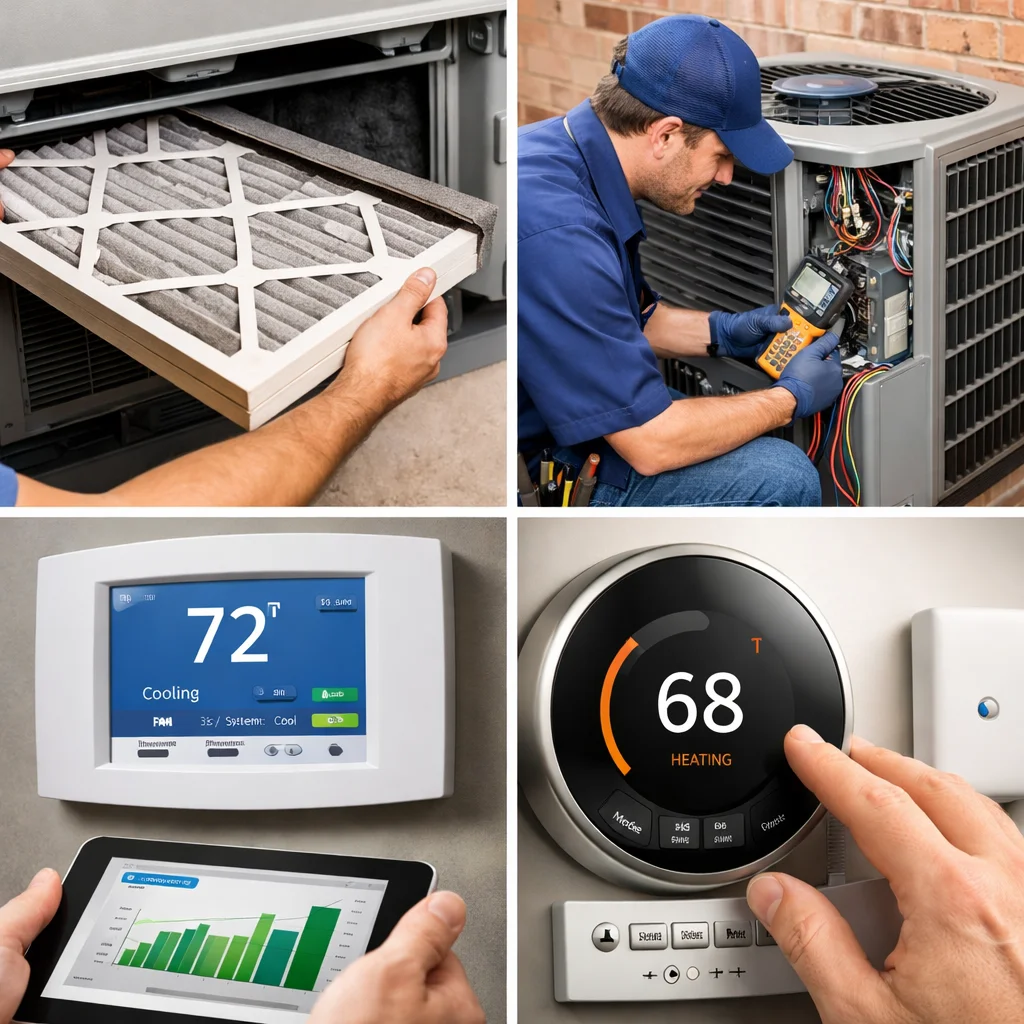
Installing an energy-efficient HVAC system is just the beginning. Proper maintenance preserves performance and savings:
Regular Filter Changes
Clean filters maintain airflow and efficiency. Replace monthly during heavy-use seasons, every 2-3 months during moderate weather.
Annual Professional Maintenance
Schedule biannual tune-ups—spring for cooling, fall for heating. Professional service includes:
- Cleaning coils and components
- Checking refrigerant levels
- Lubricating moving parts
- Testing electrical connections
- Calibrating controls
- Verifying safety systems
Monitor System Performance
Pay attention to:
- Energy bills compared to previous years
- Comfort levels throughout your home
- Unusual noises or odors
- Longer run times than normal
Address issues immediately to prevent efficiency losses.
Upgrade Controls and Accessories
Technology advances rapidly. Consider periodic upgrades to:
- Newer smart thermostats with enhanced features
- Advanced air filtration systems
- Humidity control equipment
- Zoning system additions
Environmental Impact of Energy-Efficient HVAC Systems
Beyond personal savings, energy-efficient systems benefit our community and planet:
Reduced Carbon Footprint
Lower energy consumption means fewer greenhouse gas emissions from power plants. A typical upgrade prevents 3-4 tons of CO2 emissions annually.
Conservation of Resources
Efficient systems require less electricity generation, conserving natural resources and reducing environmental impact.
Improved Local Air Quality
Reduced power plant operation means cleaner air for Bay Area communities from San Mateo to Fremont.
Sustainable Home Value
Energy-efficient upgrades increase property values while supporting California’s sustainability goals.
Ready to Upgrade to Energy-Efficient HVAC Systems?
Stop wasting money on outdated, inefficient equipment. Modern energy-efficient HVAC systems deliver superior comfort, dramatic savings, and environmental benefits.
Climate Pro’s Heating and Cooling serves homeowners throughout San Jose, Cupertino, Los Altos, Los Gatos, San Mateo, Sunnyvale, Morgan Hill, Santa Clara, Gilroy, Fremont, Campbell, Hollister, and San Juan Bautista with expert installations and comprehensive service.
Explore our selection of high-efficiency equipment or contact our team today for a personalized consultation. We’ll assess your home, explain available options, help you access rebates and incentives, and ensure perfect installation for maximum efficiency and savings.
Frequently Asked Questions About Energy-Efficient HVAC Systems
Q1. How much can I really save with an energy-efficient HVAC system?
Most Bay Area homeowners save 20-40% on heating and cooling costs, translating to $500-$1,500 annually depending on home size, usage patterns, and current system efficiency. Homes in hotter areas like Gilroy and Morgan Hill often see higher savings due to greater cooling demands.
Q2. Are energy-efficient HVAC systems worth the higher upfront cost?
Absolutely. While initial costs run 20-30% higher than standard systems, energy savings typically recover the difference within 5-7 years. Factor in available rebates, reduced repairs, longer lifespan, and increased home value, and energy-efficient systems offer excellent return on investment.
Q3. What’s the difference between SEER, AFUE, and HSPF ratings?
These ratings measure different aspects of HVAC efficiency. SEER (Seasonal Energy Efficiency Ratio) rates air conditioning cooling efficiency—higher numbers mean greater efficiency. AFUE (Annual Fuel Utilization Efficiency) measures furnace heating efficiency as a percentage. HSPF (Heating Seasonal Performance Factor) rates heat pump heating efficiency. Our team helps you understand which ratings matter most for your specific system and climate.
Q4. Can I make my existing HVAC system more energy-efficient without replacing it?
Yes, several upgrades improve existing system efficiency: install a programmable or smart thermostat, seal and insulate ductwork, replace filters regularly, schedule professional maintenance, add zoning controls, and ensure proper insulation throughout your home. However, systems over 15 years old typically benefit most from complete replacement with modern energy-efficient equipment.
Q5. How do I choose between different energy-efficient HVAC brands and models?
Consider efficiency ratings, warranty coverage, reliability history, available features, and total ownership costs. As an authorized Carrier dealer, we offer industry-leading equipment with proven performance. Our experts help you compare options based on your specific needs, budget, and home characteristics to ensure you select the perfect energy-efficient system.
Transform your home comfort and slash energy bills. Climate Pro’s Heating and Cooling specializes in energy-efficient HVAC systems throughout the Bay Area. Schedule your consultation today and discover how much you can save!